
Read time 04-06 minutes
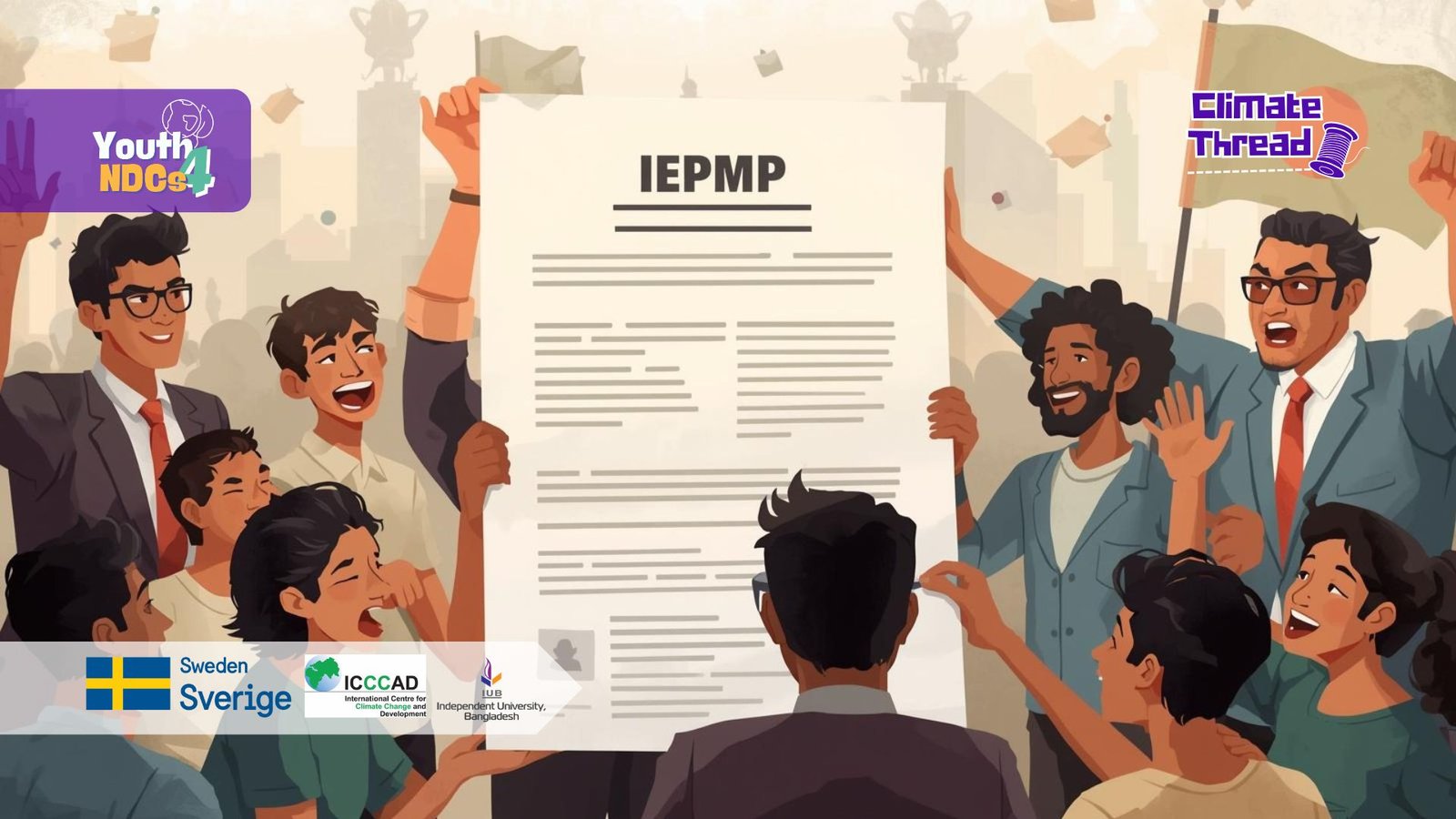
The government’s decision to revise Bangladesh’s Integrated Energy and Power Master Plan (IEPMP) is long overdue. For years, civil society, experts, and affected communities have warned that the existing plan locks the country into fossil fuel dependency, undermines climate commitments, and places long-term economic risks on people and public finances. Revising the IEPMP is therefore not a favour, it is a necessity.
But a revision alone is not enough. How the plan is being revised, and what direction it is taking, are equally important. At present, both the process and the emerging content of the revision raise serious concerns that must be addressed before Bangladesh moves forward.
First, the process.
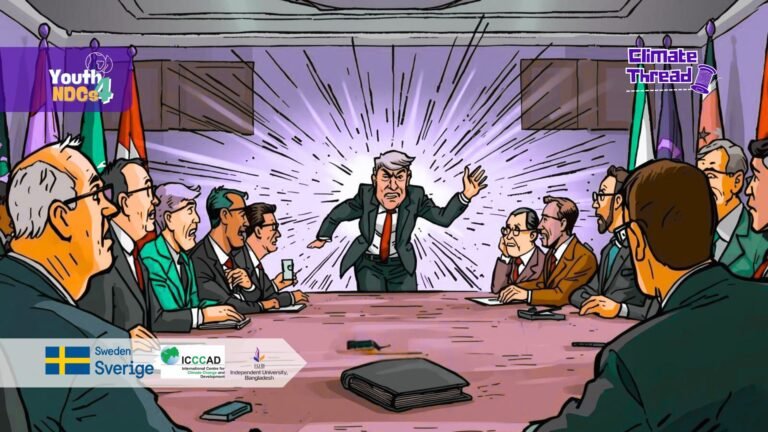
Despite a High Court directive to reconsider the IEPMP, the revised draft appears to have been prepared with limited transparency and without meaningful public participation. Communities affected by coal, LNG, and large infrastructure projects have largely been excluded. Youth, workers, women’s groups, and independent experts have not been systematically consulted. An energy master plan that will shape Bangladesh’s economy, emissions, and development trajectory for decades cannot be drafted behind closed doors. Closed-door energy planning is incompatible with democratic governance. If the revision process repeats the same exclusionary approach, it risks reproducing the same mistakes that made the original IEPMP controversial.
Second, the content.
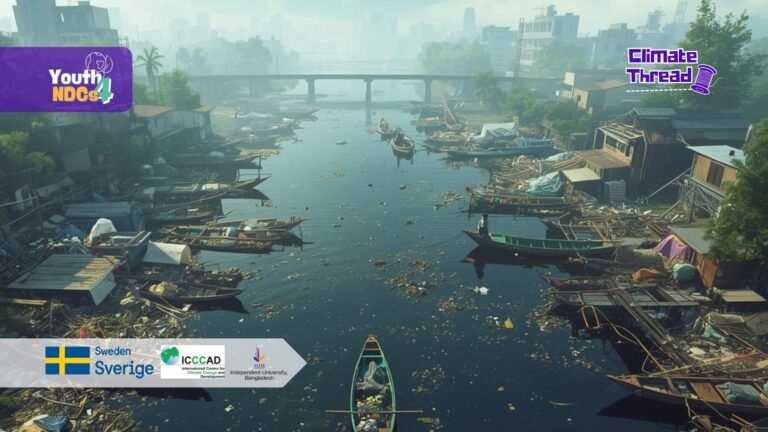
Available information suggests the revised draft continues to rely heavily on imported coal, LNG, and oil well into the future. This is not only environmentally damaging , it is economically dangerous. At a time when the global energy system is shifting away from fossil fuels, further locking Bangladesh into import-dependent energy exposes the country to price volatility, foreign exchange pressure, and stranded assets.
Equally troubling is the continued promotion of false solutions such as hydrogen, ammonia co-firing, and carbon capture. These technologies are costly, largely unproven, and ill-suited to Bangladesh’s current context. Presenting them as transition pathways risks delaying real action while creating an illusion of progress. False solutions are not a transition; they are a distraction.
The draft also appears to overestimate future energy demand, a pattern that has already resulted in excess capacity and billions of Taka in capacity payments. Inflated demand projections justify unnecessary fossil investments while renewable energy, the most affordable and scalable option, continues to be delayed rather than accelerated.
This trajectory directly contradicts Bangladesh’s global climate commitments. Under its NDCs, Bangladesh has pledged to pursue a low-carbon pathway and a just transition. Yet projected emissions under the draft revision suggest continued growth well into mid-century. We cannot claim climate leadership abroad while planning fossil expansion at home.
Civil society and youth movements are not opposing revision, we are demanding a better revision. We do not see the government as an opponent. Bangladesh has domestic expertise, lived experience, and policy knowledge that can strengthen the plan if meaningfully included. But collaboration requires clarity and courage.
“Three red lines must guide the process: no closed-door energy planning, no fossil fuel lock-in, and no false solutions.”
The way forward is clear. The government must open the revised draft to public scrutiny, conduct structured consultations, correct inflated demand projections, and bring renewable energy forward with clear near-term targets and grid investment. Revising the IEPMP is an opportunity to correct the course, but only if it is done transparently, inclusively, and with real ambition.
“Bangladesh does not need a better fossil plan. It needs a real one.”
Amanullah Porag
Founder and ED
Youth for NDCs