
Read time 04-07 minutes
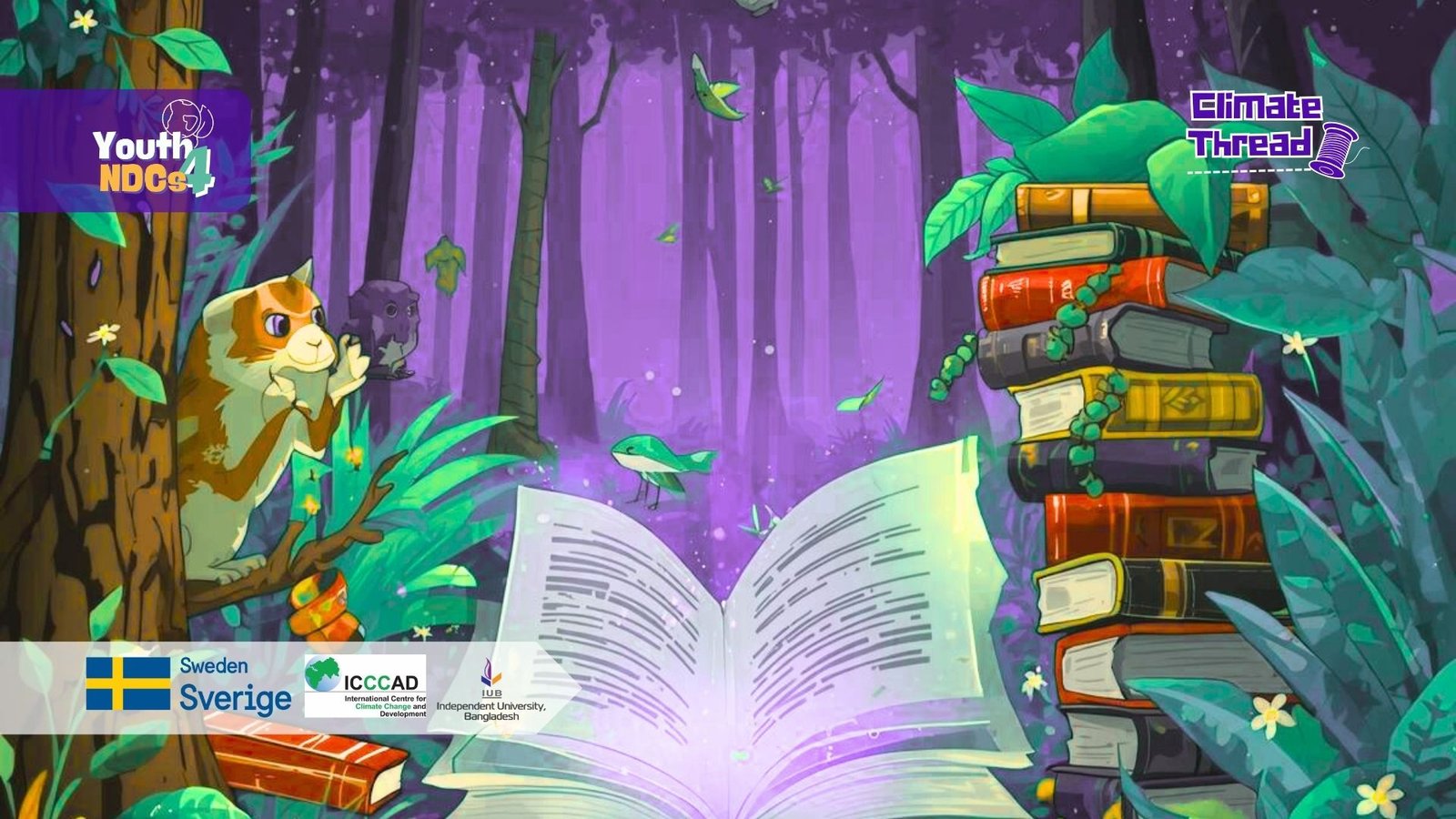
As time grows, climate change is becoming a significant challenge, and literature may be a unique method to deal with it. Literature is not just a form of entertainment; rather, it is also used to develop human psychology, create awareness, and shape the future actions of a community. There is a term called ‘Ecocriticism’ that entertains the idea of connecting literature to the natural world. Ecocriticism shows nature as an active character that reacts, suffers, and transforms alongside humanity. It helps people to connect with nature while they tend to build a sustainable relationship with Mother Earth. Through storytelling, poetic reflection, educational engagement, inclusive platforms, and literary activism, literature serves as a powerful tool to raise climate awareness and inspire collective action for a sustainable future.
Generally, readers come across the moral and emotional aspects of environmental crises through novels, poems, and plays. Climate fictions and works such as Margaret Atwood’s “MaddAddam Trilogy”, Amitav Ghosh’s “The Great Derangement”, or Kim Stanley Robinson’s “The Ministry for the Future” reflect the reality of climate change, connecting it with our social and personal lives. Poems written by Mary Oliver, William Wordsworth, and Joy Harjo shape our thoughts about the ecological changes every day, too. Moreover, bringing inclusivity to this platform will also help us gain a vast knowledge about the unheard problems. Highlighting the marginalized narratives or indigenous voices may lead to more decolonized climate conversations.
In addition, climate education may also incorporate literature into climate education by emphasizing collective learning and personal growth. It opens a field for the students to learn more from the scientific side. Activities like clubs and workshops may also encourage them to be part of the change we want to make. The practitioners of literature can move or advocate for environmental justice just through their literary masterpieces as well. Human psychology is often driven to inspirational thoughts, which creates a zone for the readers to be the next potential leaders.
However, there is always a debate that these literatures often shift the spotlight away from humans. The recent climate fictions identify three significant styles of storytelling, which are sentient landscapes that think and feel, animals that bear witness, and underground fungal networks that transmit knowledge. This phenomenon is called “proxy eco-anxiety”. These fictions may not only create awareness among people and challenge human-centered thinking by inspiring empathy and kindness, but also make people feel neglected on this matter. On the other hand, these narratives do not always lead to practical solutions either. So, we want to invite writings that focus on the nature and human beings, as well as encourage people to take action in this regard.
To sum up, literature has more than just creativity or entertainment, offering an in-depth understanding and a call to action regarding environmental changes. Climate narratives raise awareness and responsibility, having the power to influence attitudes, foster compassion, and motivate long-term action by fusing creativity and consciousness, depending on the style and purpose of producing the piece.
Zawata Alam
Student
Department of English
Southeast University